Planning your Ha Giang Loop packing list is one of the most important steps before tackling Vietnam’s most legendary motorbike route. The 350km circuit through towering limestone peaks, remote ethnic villages, and dramatic mountain passes demands more than just a casual bag toss it requires smart, purposeful preparation. Pack too little and you will be cold, unprepared, and stranded without essentials in a region where the nearest gear shop is hours behind you. Pack too much and your overloaded bike becomes a liability on narrow cliff-edge roads.
At Ha Giang Hostel, we have helped hundreds of riders prepare for the loop and we know exactly what separates a smooth, unforgettable adventure from a stressful one. This complete 2026 gear guide covers everything you need, season by season, so you can ride with confidence from the first pass to the last.
Why is packing for the Ha Giang Loop important?
Here is why getting your packing list right matters so much:
- No resupply options on the route. Towns like Yen Minh, Dong Van, and Meo Vac have basic food and water, but you will not find waterproof jackets, riding gloves, prescription medication, or technical gear at any point after your starting point.
- Weather changes without warning. Temperatures can swing 20°C in a single day — from 8°C fog on a mountain pass at dawn to 28°C valley heat by afternoon. The right layers keep you safe; the wrong ones leave you dangerously cold.
- Road conditions demand proper gear. Narrow single-lane passes, loose gravel after rain, and steep descents require footwear and riding protection that can handle a low-speed slide — not fashion sneakers.
- Overpacking is as dangerous as underpacking. Excess weight on a 110–125cc scooter reduces handling and braking performance on sharp mountain bends.
- Medical help is far away. The nearest hospital with surgical capability is back in Ha Giang City. A well-stocked first aid kit and personal medications are your first line of care on the road.
Types of Clothing to Wear When Visiting Ha Giang Loop
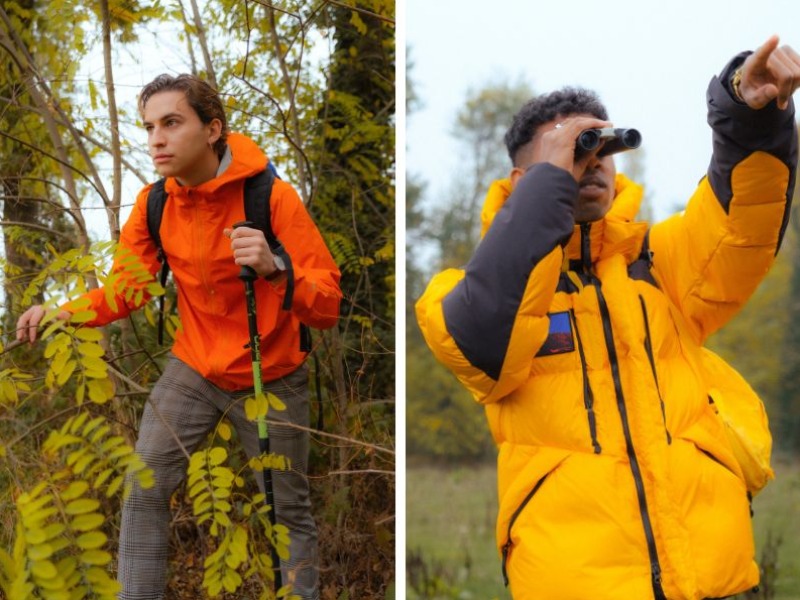
Clothing for a Trip to Ha Giang During Cold Season (October–March)
- Thermal base layer (top and bottom): Merino wool or synthetic thermal underwear is the most important single item you can pack. It traps body heat while wicking sweat away from your skin, keeping you warm even when you perspire from physical exertion.
- Mid-layer fleece or insulated jacket: A lightweight fleece or down jacket worn over the base layer provides the bulk of your warmth. Choose one that compresses easily into your bag when not needed.
- Waterproof and windproof outer jacket: This is your armor against both rain and the wind chill that hits hard at speed on a motorbike. Look for something with taped seams and a hood that fits under your helmet.
- Waterproof riding trousers or thick hiking pants: Jeans are a poor choice they are heavy, slow to dry, and offer no wind protection. Waterproof or water-resistant trousers worn over thermal leggings work far better.
- Warm accessories: A neck gaiter or scarf, a merino wool beanie that fits under your helmet, and a pair of thin thermal gloves worn under your riding gloves make an enormous difference on cold morning rides.
- Quantity guideline: Pack 2 full outfit changes plus your outer layers. With quick-dry fabrics, 2 sets of base layers and riding clothes is sufficient for a 4-day loop.
Clothing for a Trip to Ha Giang in Summer (April–September)
- Long-sleeve UV-protection shirt: Riding for hours at altitude means intense sun exposure. A lightweight long-sleeve shirt with UPF 50+ protection prevents sunburn without overheating you.
- Lightweight convertible hiking trousers: Trousers that zip off into shorts give you flexibility — trousers for riding and exposed passes, shorts for relaxing at a homestay in the evening.
- Thin rain poncho or packable waterproof jacket: During rainy season, a poncho that folds into a pocket-sized pouch is essential. Some riders prefer full waterproof jackets for better protection at speed.
- Breathable, moisture-wicking base layers: Even in summer, pack one thin thermal layer for early morning starts and high-pass crossings. The temperature difference between a valley floor and the top of Quan Ba Pass can be 12–15°C.
- Compact quick-dry towel: Homestays along the loop often provide towels, but quality varies. A lightweight microfiber travel towel weighs almost nothing and dries overnight.
Protective Gear and Safety Equipment
Helmet options and recommendations:
- Full-face helmet (strongly recommended): Provides complete protection for your face, chin, and skull. Essential if you plan to ride at any speed above 40km/h or tackle exposed passes. Look for helmets certified to ECE 22.06, DOT, or SNELL standards.
- ¾ helmet (open-face with visor): Acceptable for experienced riders who prefer better ventilation, but leaves your chin and jaw unprotected in a forward fall.
- Note on rental helmets: Many hostels in Ha Giang City offer helmet rentals, but the quality is inconsistent — poorly fitting helmets with worn-out inner foam provide far less protection than the certification suggests. Bringing your own is the safest option if you are traveling from within Vietnam.
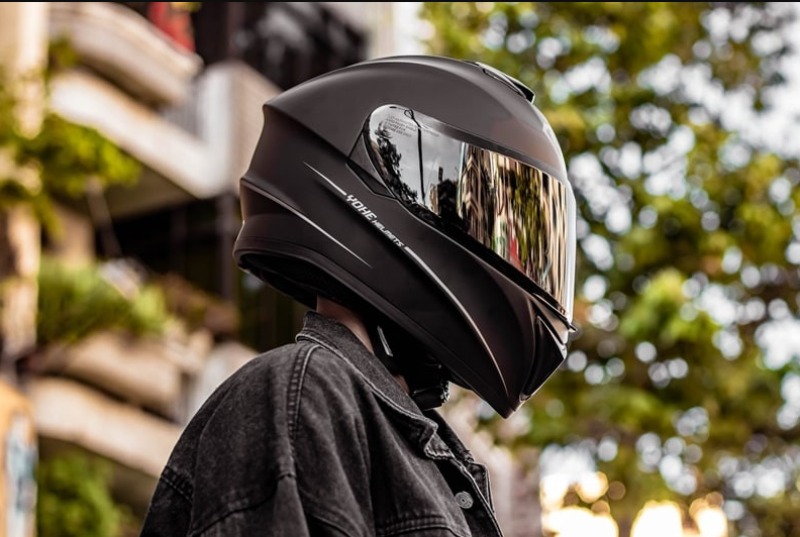
Essential riding protection beyond the helmet:
- Full-finger riding gloves: Your hands instinctively reach out to break a fall. Riding gloves with reinforced palms and knuckle protection are non-negotiable. For cold-season riding, insulated waterproof gloves double as warmth and protection.
- Knee and shin guards: Lightweight motorcycle knee guards that strap over your trousers significantly reduce injury risk on a low-speed slide. They are compact enough to fit in your loop bag.
- Elbow guards: Optional but recommended for less experienced riders.
- High-visibility vest or reflective strips: Ha Giang mountain roads have tunnels, blind corners, and sections where visibility drops sharply in fog. Being visible to oncoming traffic matters.
The Most Suitable Footwear for the Mountainous Terrain of Ha Giang
The best footwear options for the Ha Giang Loop:
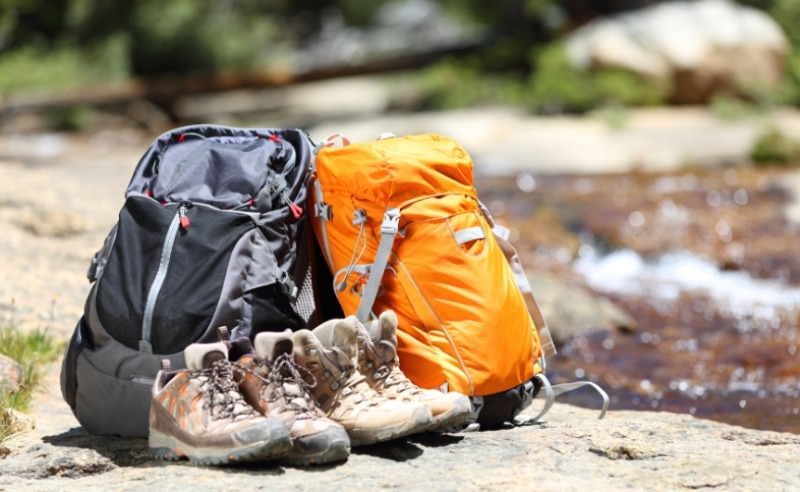
- Waterproof hiking boots (mid or high cut): The most versatile option. Brands like Merrell, Salomon, or Keen offer waterproof hiking boots that are equally useful for riding and for walking around minority villages and viewpoints. Mid-cut provides ankle support without being as restrictive as full motorcycle boots.
- Motorcycle riding boots: Offer the best protection — reinforced ankle, toe, and heel areas — but can feel heavy for multi-day travel involving walking.
- Trail running shoes (minimum acceptable): Only acceptable in dry season (April–June) if they have aggressive grip soles. Completely inadequate in wet conditions.
What to avoid absolutely:
- Flip flops or sandals of any kind
- Smooth-soled fashion sneakers
- Canvas shoes or fabric slip-ons
- Heeled footwear
Documents to prepare before departure Ha Giang Loop
1. Valid Passport (for international travelers)
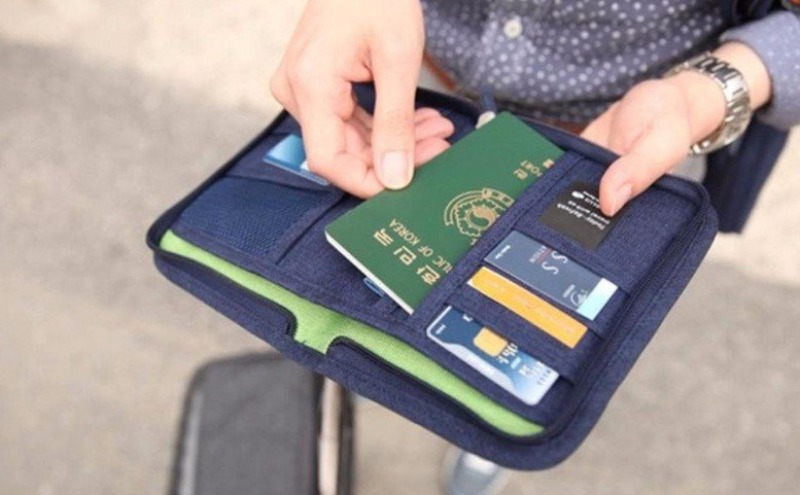
Your passport must be valid for at least 6 months beyond your planned departure date from Vietnam. Carry both the original and a high-quality photocopy stored separately from the original. Additionally, save a clear photo of your passport bio page to your phone and upload it to cloud storage (Google Drive, Dropbox, or iCloud) so you can access it even if your phone is lost or damaged.
2. Vietnam Visa or E-Visa
Citizens of most countries require a visa to enter Vietnam. The e-visa system is the simplest option, allowing you to apply online and receive a digital visa valid for up to 90 days. Print a physical copy and keep it with your passport — some checkpoints in remote areas may not have reliable internet to verify digital documents.
3. Riding Authorization Document
This is where many foreign visitors make a critical mistake. To legally ride a motorbike in Vietnam, you need one of the following:
A Vietnamese motorcycle license (Class A1 for bikes under 175cc, or higher classes for larger bikes)
An International Driving Permit (IDP) issued in your home country and recognized by Vietnam, carried alongside your home country license
Riding without proper documentation risks a fine, confiscation of the motorbike, and significant complications in the event of an accident — particularly with insurance claims.
4. Cash in Vietnamese Dong (VND)
The ATMs at Ha Giang City are the last reliable cash machines you will encounter on the loop. Most homestays, food stalls, and fuel stations along the route operate on a cash-only basis. A practical budget guideline for the loop is 500,000–800,000 VND per day for accommodation, meals, and fuel, totaling approximately 2,000,000–3,500,000 VND for a 4-day trip. Add a safety buffer of 500,000–1,000,000 VND for unexpected expenses like minor bike repairs or entry fees to viewpoints.
5. Travel Insurance with Motorbike Coverage
Standard travel insurance policies often exclude motorized vehicle accidents, particularly on motorbikes. Before you purchase a policy, confirm in writing that it explicitly covers motorbike riding in Vietnam, including medical evacuation. Companies like World Nomads and SafetyWing offer policies that can be configured to include this coverage.
First Aid Kit and Personal Medications to Bring
Essential first aid kit contents for the Ha Giang Loop:
| Category | Specific Items | Purpose |
|---|---|---|
| Wound care | Sterile gauze pads, adhesive bandages (multiple sizes), medical tape, antiseptic wipes, povidone-iodine solution | Cleaning and covering cuts, road rash, and abrasions from a fall |
| Pain and fever | Paracetamol (Panadol/Tylenol), ibuprofen | Managing headache, muscle soreness, and fever |
| Gut health | Oral rehydration salts (ORS packets), activated charcoal tablets, loperamide (Imodium) | Treating traveler’s diarrhea and dehydration — very common on rural routes |
| Altitude and motion | Dimenhydrinate (Dramamine) or ginger capsules for motion sickness; discuss altitude sickness medication (acetazolamide/Diamox) with a doctor before travel | Preventing nausea on winding mountain roads and managing altitude adjustment |
| Allergy and sting | Antihistamine tablets (cetirizine or loratadine), hydrocortisone cream | Managing insect bites, plant reactions, and mild allergic responses |
| Sun protection | SPF 50+ sunscreen, UV-protective lip balm | Riding at altitude dramatically increases UV exposure |
| Personal medications | Full supply of any prescription medications, clearly labeled, with doctor’s note if controlled | Cannot be obtained at local pharmacies along the loop |
Electronic Devices and Accessories You Should Bring to Ha Giang Loop
Navigation setup before you leave Ha Giang City:
- Download offline maps: Open Google Maps and download the Ha Giang province region for offline use before departing. Alternatively, Maps.me (OsmAnd) offers detailed offline maps including smaller roads that Google sometimes misses. Do this on WiFi the night before you leave — do not assume you can download later.
- Screenshot key waypoints: Take screenshots of your homestay addresses, contact numbers, and the route between each stop. Store them in a folder on your phone camera roll so they are accessible even without internet.
- Motorbike phone mount: A shock-absorbing handlebar mount keeps your phone visible for navigation without requiring you to stop and check it. Choose one with a waterproof case or a secondary waterproof pouch for rainy conditions.
Power management the most underestimated item on most packing lists:
- High-capacity power bank (minimum 20,000mAh): Some homestays have limited outlets and unreliable electricity. A large power bank lets you charge your phone and camera battery overnight even if the power cuts out, and provides a full charge buffer during the day.
- Multi-device charging cable: A cable with USB-C, micro-USB, and Lightning connectors covers all devices with a single cable.
- Backup charging cable and adapter: Cables are the most commonly lost small item on multi-day trips. Pack a spare.
This Ha Giang Loop packing list has walked you through everything from thermal layers and riding gear to travel documents, first aid essentials, and seasonal adjustments so you can focus on the ride, not on what you forgot to bring. We hope this guide gives you the confidence to prepare smartly and make the most of every kilometer on this breathtaking route.
At Ha Giang Hostel, we are more than just a place to sleep before your adventure begins. We specialize in premium Ha Giang Loop tours and high-quality motorbike rentals with well-maintained bikes, experienced local guides, and everything you need to hit the road safely and comfortably. Whether you are a first-timer or a returning rider, our team is here to help you plan the perfect loop.
Ready to ride? Contact Ha Giang Hostel today and let us take care of the details so you can take care of the memories.